Unlocking Tourism Development in New Zealand: A Comprehensive Guide
Ha
New Zealand, known for its breathtaking landscapes and vibrant culture, has immense potential for tourism development. Unlocking this potential requires a strategic approach that balances environmental sustainability with economic growth. This guide explores the key components of successful tourism development in New Zealand.
Understanding the Tourism Landscape
The tourism industry in New Zealand is a vital part of the economy, contributing significantly to GDP and employment. With diverse offerings ranging from adventure sports to serene natural retreats, the country attracts millions of international visitors annually. Understanding these dynamics is crucial for developing effective tourism strategies.
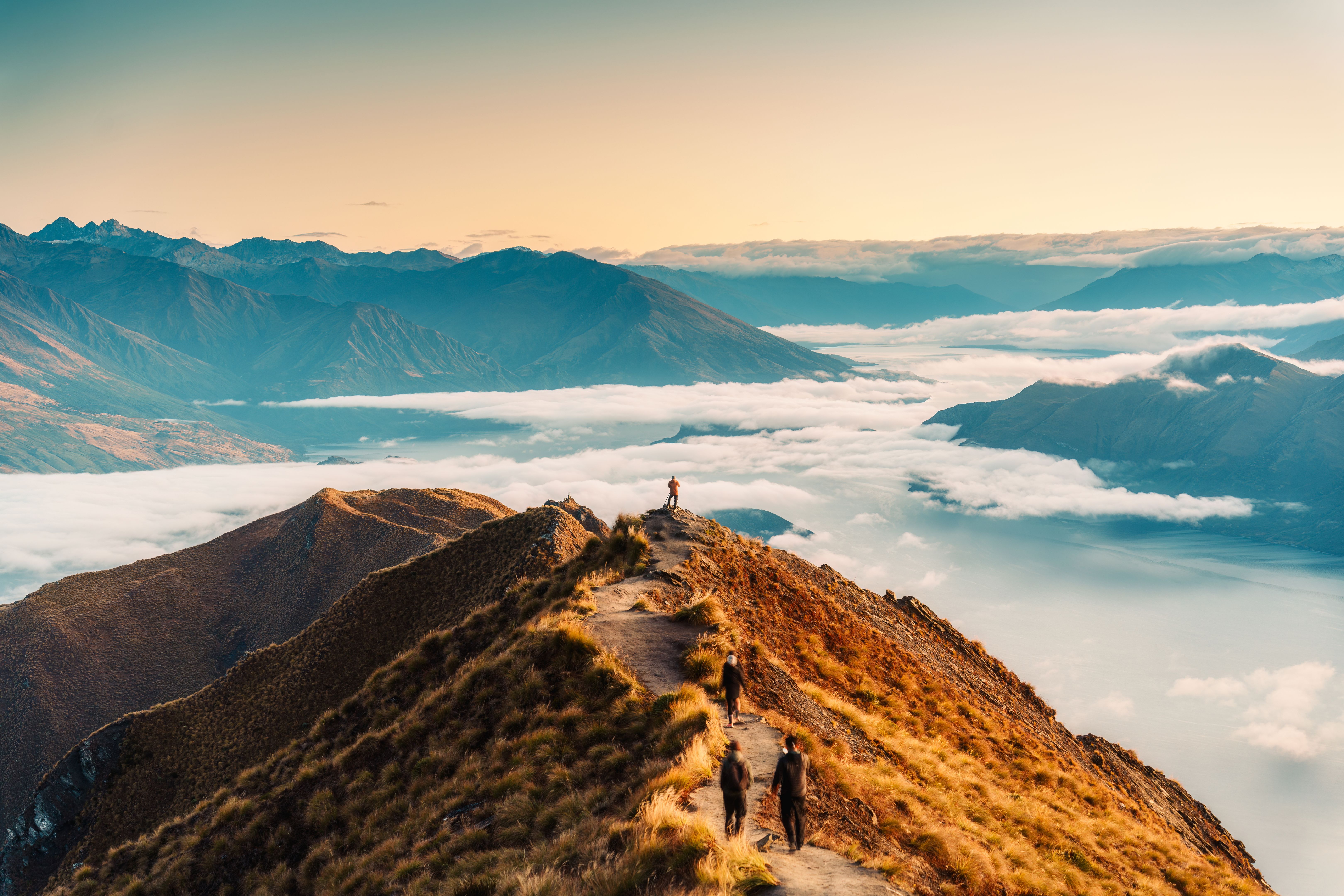
To capitalize on its natural beauty, New Zealand must focus on preserving its unique environment. Sustainable practices ensure that tourism does not compromise the ecological integrity of its landscapes. This involves implementing policies that reduce carbon footprints and promote eco-friendly travel.
Infrastructure Development
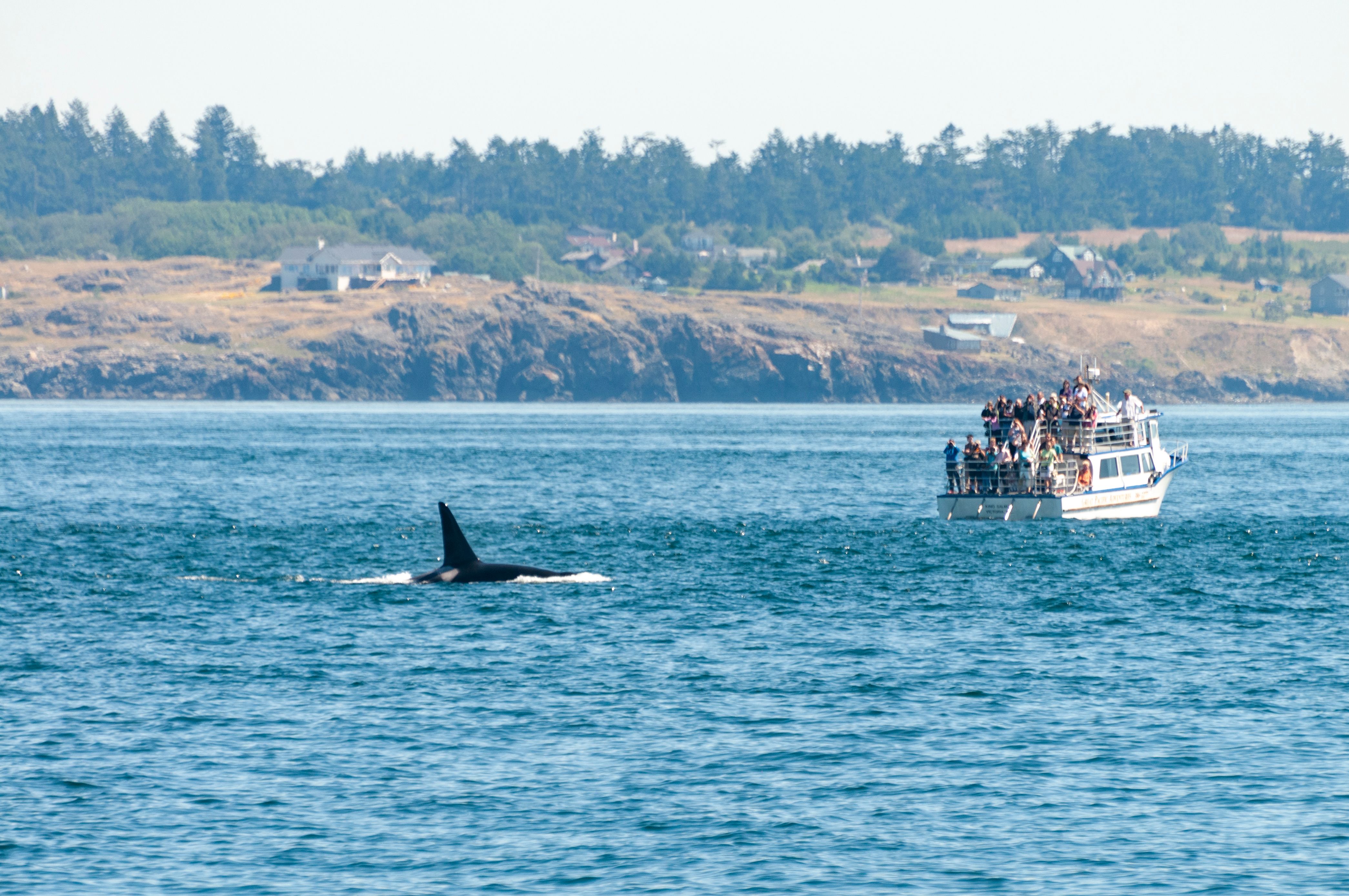
Infrastructure is a cornerstone of tourism development. Improving transportation networks, accommodation facilities, and communication technologies can greatly enhance the visitor experience. New Zealand must invest in modernizing airports, expanding public transport, and ensuring reliable internet connectivity in remote areas.
Additionally, infrastructure development should be inclusive and accessible, catering to the needs of all tourists. This includes providing facilities for individuals with disabilities and ensuring that all visitors can enjoy the beauty of New Zealand without barriers.

Cultural Promotion
New Zealand’s rich cultural heritage is a unique selling point. Promoting Maori culture and traditions can attract tourists interested in authentic cultural experiences. Collaborating with local communities to create immersive cultural tours and experiences can enhance tourism offerings.
Furthermore, incorporating cultural education into tourism packages allows visitors to gain a deeper understanding of New Zealand’s history and traditions, fostering respect and appreciation for the local culture.
Marketing Strategies
Effective marketing strategies are essential for attracting tourists to New Zealand. Utilizing digital marketing platforms, social media, and influencer partnerships can increase visibility and attract diverse demographics. Tailoring marketing campaigns to highlight unique experiences, such as adventure tourism or culinary tours, can draw specific interest groups.

Collaborating with international travel agencies and participating in global tourism fairs also helps in reaching wider audiences. Creating appealing packages and offering competitive pricing can further entice potential travelers.
Conclusion
Unlocking tourism development in New Zealand requires a comprehensive approach that considers sustainability, infrastructure, culture, and marketing. By focusing on these areas, New Zealand can enhance its tourism sector, offering unforgettable experiences while preserving its natural and cultural heritage. With strategic planning and collaboration, New Zealand is poised to become a leading global tourist destination.