Comprehensive Guide to Sustainability Practices in the New Zealand Hospitality Industry
Ha
Introduction to Sustainability in New Zealand Hospitality
Sustainability has become a crucial aspect of the hospitality industry worldwide, and New Zealand is leading the charge with innovative and effective practices. As a country renowned for its stunning landscapes and rich biodiversity, New Zealand's hospitality sector is uniquely positioned to integrate eco-friendly measures. This guide explores the key sustainability practices being adopted across the industry.
Energy Efficiency and Conservation
One of the primary focuses for hotels and restaurants in New Zealand is energy efficiency. Many establishments have adopted energy-saving technologies to reduce their carbon footprint. This includes the installation of LED lighting, smart thermostats, and energy-efficient appliances.
Furthermore, businesses are encouraged to participate in green programs such as the New Zealand Energy Efficiency and Conservation Authority (EECA) initiatives, which provide guidelines and support for reducing energy consumption.

Water Management Strategies
Water conservation is critical for sustainability, and many hospitality businesses in New Zealand implement advanced water management systems. Techniques such as rainwater harvesting and greywater recycling help minimize water usage.
Hotels often encourage guests to participate in conservation efforts by reusing towels and linens, contributing to significant water savings. These practices not only benefit the environment but also reduce operational costs.
Waste Reduction and Recycling
The hospitality industry in New Zealand is making strides in waste reduction through comprehensive recycling programs and waste management strategies. Many establishments have adopted practices such as composting food waste and using biodegradable packaging.

Restaurants and hotels are also focusing on sourcing local products to reduce transport emissions and support local communities. This not only ensures fresher produce but also reduces the carbon footprint associated with importing goods.
Eco-Friendly Certifications and Standards
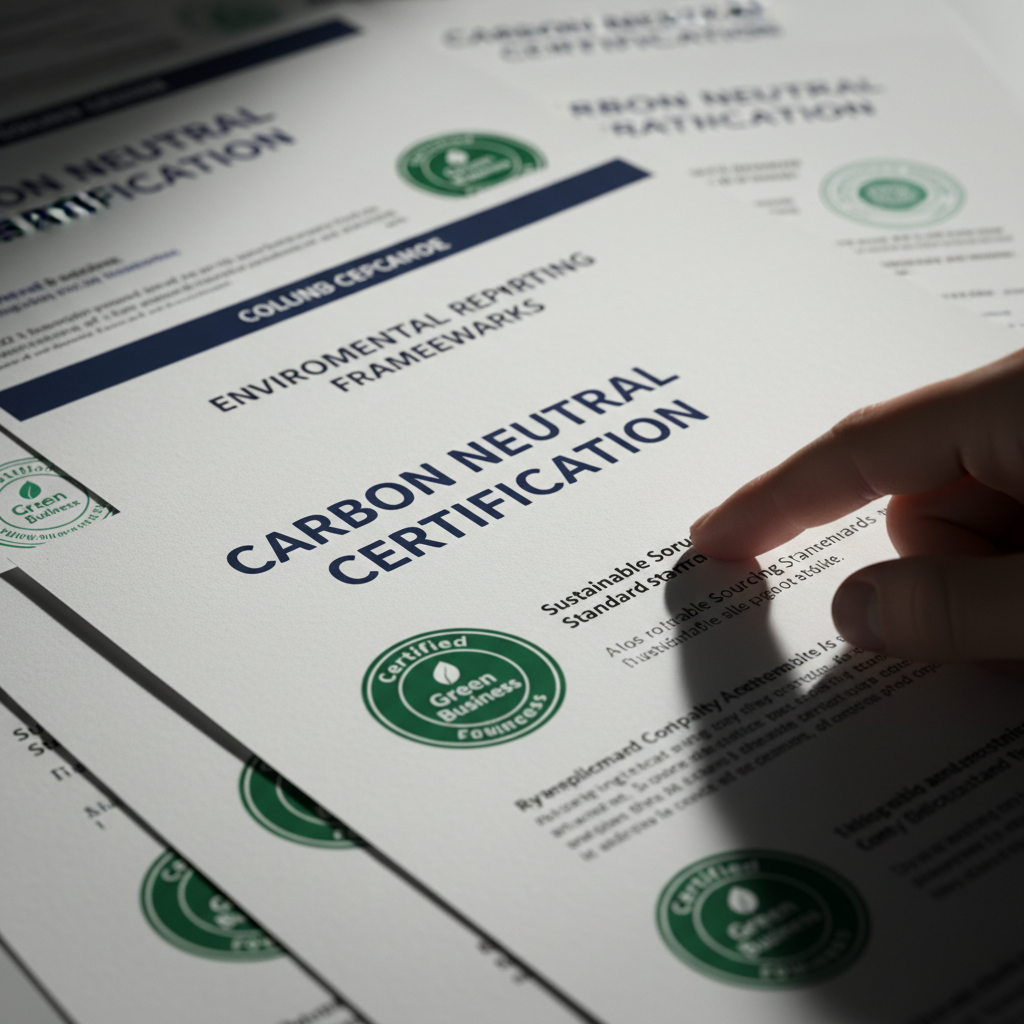
To maintain high sustainability standards, many hospitality businesses in New Zealand seek eco-friendly certifications. Programs like Qualmark’s Enviro Award and Green Globe Certification provide frameworks for continuous improvement in sustainability practices.
These certifications help businesses build credibility and attract eco-conscious consumers, enhancing their brand reputation and marketability.
Community Engagement and Education
Engaging with the community and educating both staff and guests about sustainability is vital. Many establishments host workshops and participate in local environmental initiatives. This not only raises awareness but also fosters a culture of sustainability among employees and patrons.
By promoting responsible tourism and encouraging guests to participate in local conservation efforts, the hospitality industry can play a significant role in preserving New Zealand’s natural beauty for future generations.
Conclusion: The Path Forward
New Zealand’s hospitality industry is setting an example by integrating sustainability into its core operations. By focusing on energy and water conservation, waste management, and community engagement, businesses are not only enhancing their sustainability credentials but also ensuring long-term success. As more establishments adopt these practices, the industry will continue to thrive while protecting the environment.