Case Study: Successful Tourism Development Projects in New Zealand
Ha
Introduction
New Zealand, renowned for its breathtaking landscapes and rich cultural heritage, has become a global leader in tourism development. Over the years, several successful projects have emerged, showcasing innovative approaches to sustainable tourism. In this case study, we explore some of these noteworthy projects that have significantly contributed to the country's tourism boom.

Milford Track: Enhancing the Visitor Experience
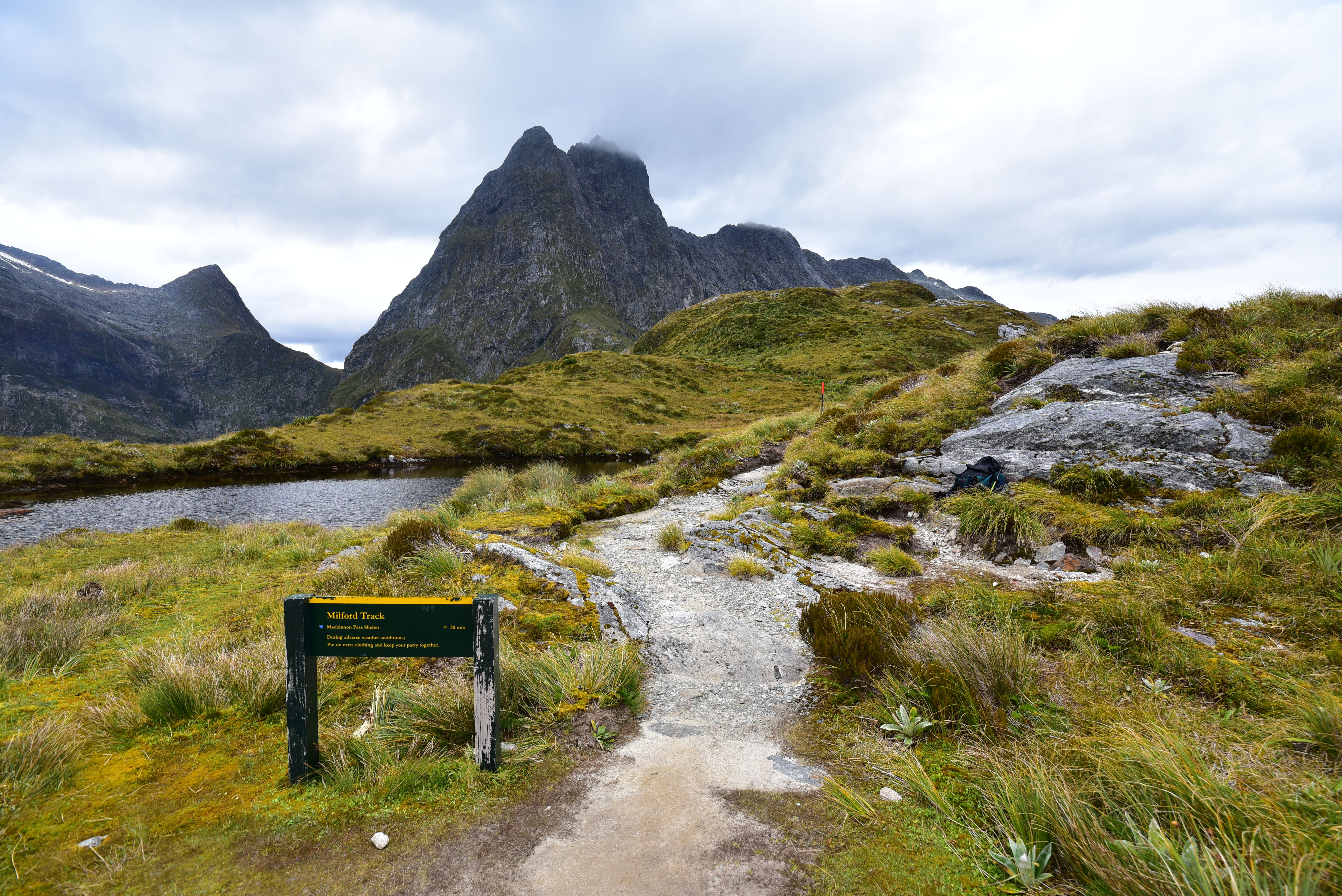
The Milford Track is one of New Zealand's most famous walking trails, often referred to as the "finest walk in the world." This project focused on improving infrastructure and visitor experience without compromising the natural beauty of the area. Key enhancements included upgraded pathways, eco-friendly accommodation, and informative signage that educates visitors about the local flora and fauna.
These improvements have not only made the trail more accessible but also safer for tourists. By promoting responsible tourism, the project has successfully balanced visitor numbers with environmental preservation.
Community Involvement
An essential component of the Milford Track project was community involvement. Local communities were engaged in decision-making processes, ensuring that the developments aligned with both conservation goals and local needs. This collaboration fostered a sense of ownership and pride among residents.
Waitomo Caves: A Sustainable Approach
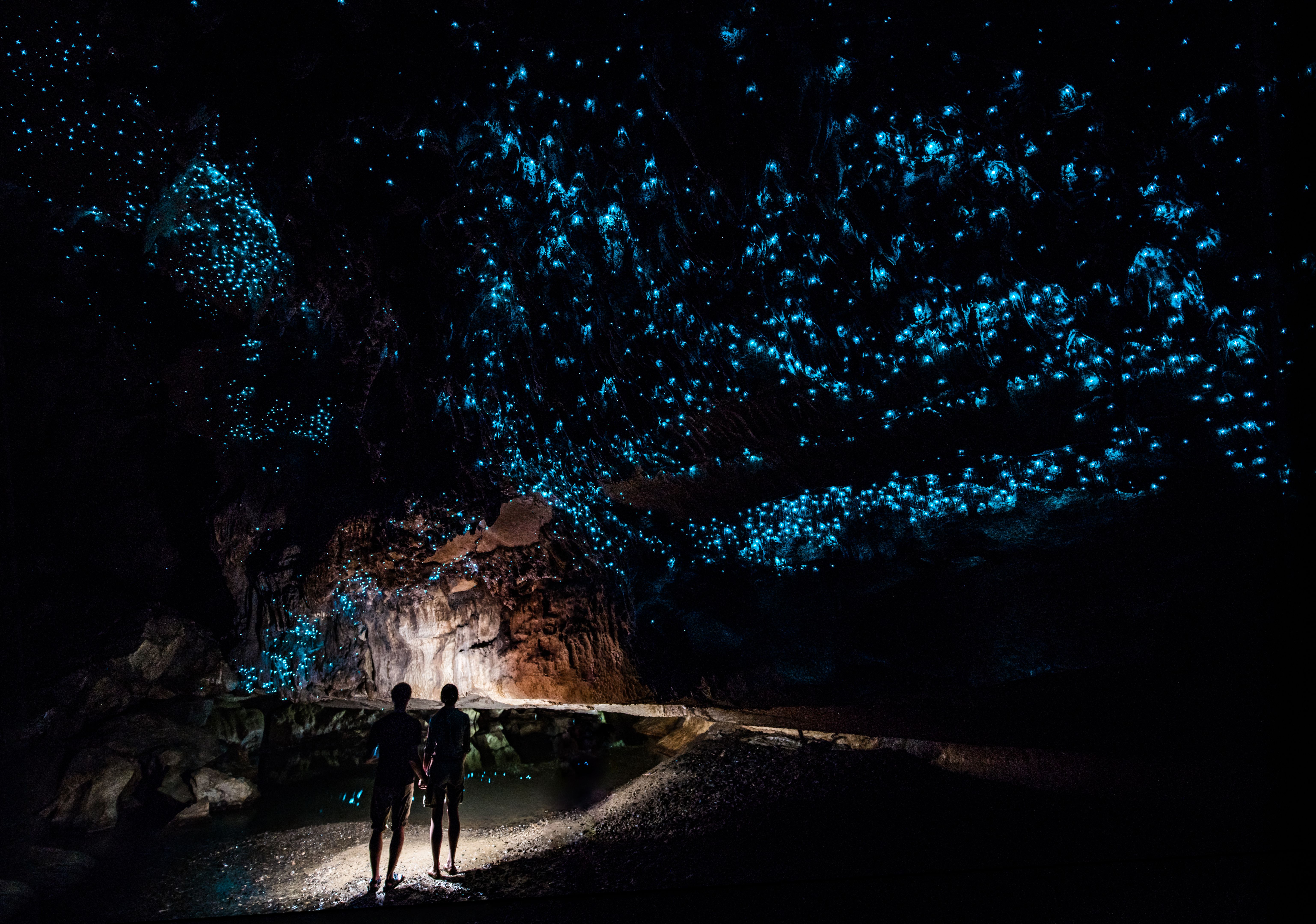
Another exemplary project is the development of the Waitomo Caves. Known for their stunning glowworm displays, the caves have become a major tourist attraction. The focus here was on adopting sustainable practices to minimize environmental impact while enhancing tourist experiences.
Innovations included the installation of energy-efficient lighting and the implementation of strict visitor guidelines to protect the delicate ecosystem. The project also involved educational programs to raise awareness about conservation efforts.
Economic Impact
The sustainable development of the Waitomo Caves has had a profound economic impact on the region. By attracting a steady influx of tourists, local businesses have thrived, providing employment opportunities and boosting the local economy.
Rotorua: A Cultural Hub
Rotorua stands out as a premier cultural tourism destination in New Zealand. The city's development projects have focused on highlighting Maori culture while offering tourists an immersive experience. Initiatives included the creation of cultural centers, traditional performances, and educational workshops.
This approach not only preserves and promotes Maori heritage but also enriches tourists' understanding of New Zealand's cultural diversity. The success of Rotorua as a cultural hub demonstrates the potential of integrating cultural elements into tourism development.
Challenges and Solutions
Despite its success, Rotorua faced challenges such as managing tourist influx and maintaining cultural authenticity. Solutions included implementing visitor caps during peak seasons and ensuring that cultural representation remains true to its roots, guided by Maori leaders and communities.

Conclusion
New Zealand's tourism development projects serve as exemplary models of how to balance growth with sustainability and cultural preservation. By focusing on community involvement, environmental protection, and cultural integration, these initiatives have set a benchmark for successful tourism development worldwide.
As tourism continues to evolve, New Zealand's approach offers valuable insights for other countries seeking to enhance their tourism sectors. The blend of natural beauty, cultural richness, and innovative planning makes New Zealand a leader in sustainable tourism development.